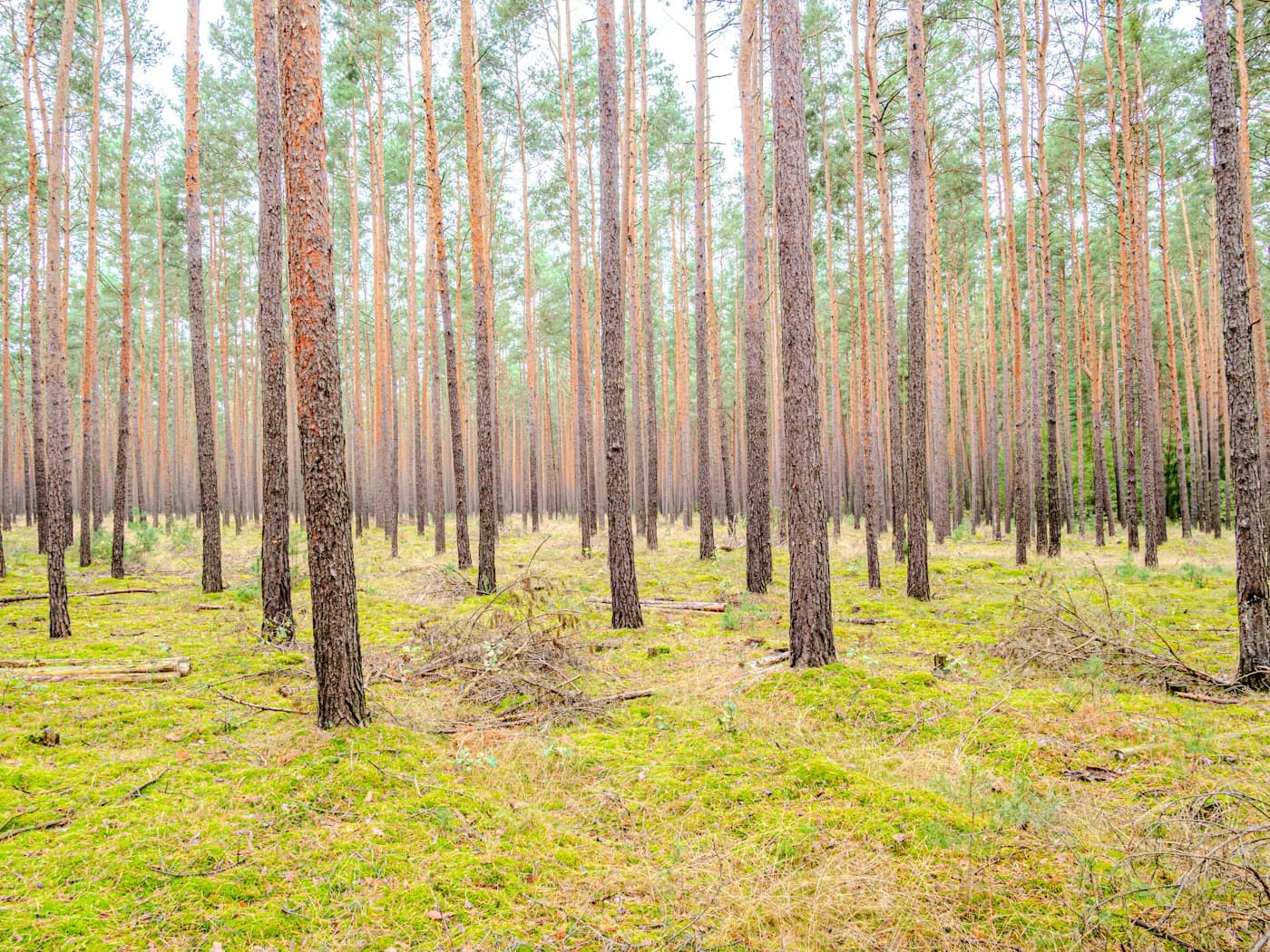
Timberland · North Florida & South Georgia
Long-Horizon Timberland
Built to Compound
Summers Forestry combines direct ownership of productive Southern pine with a recurring-fee forestry management and timber-marketing business. Patient capital. Professional execution. Multigenerational stewardship.
7,000
Acres Targeted
200K
Managed by Yr 25
25-Yr
Horizon
The Investment Case
Three Return Drivers.
All Compounding.
Biological growth. Timber price appreciation. Land appreciation. Each operates on its own logic — and all three compound simultaneously on the same acre over a 25-year horizon. No other asset class works this way.
Explore the Investment Case →01
Biological Growth
02
Price Appreciation
03
Land Appreciation
Income Diversification
The Revenue Stack
Timber harvest is the primary return driver. But productive timberland in the Southeast generates five additional income streams — most of which institutional portfolios leave on the table.
Timber Harvest
Primary · Sawtimber / Chip-n-Saw / Pulpwood
Competitive bid process across multiple qualified mills. Every product class requires at least two confirmed market outlets before harvest authorization. No single-buyer exposure.
Pine Straw
Annual · Loblolly & Longleaf Stands
Annual needle harvest generates recurring cash yield without touching timber value. One of the most underutilized revenue streams in institutional forestry — meaningful at 5,000 to 50,000 acres.
Hunting & Recreation
Annual · Deer / Turkey / Quail
North Florida and Southeast Georgia are premier deer, turkey, and quail territory. Annual recreational leases generate $8–15 per acre with no capital expenditure and no impact on timber operations.
Carbon Credits
Project-Based · Verra / ACR Registries
Improved Forest Management and longleaf restoration projects qualify for carbon credit registration. Longleaf wiregrass ecosystems are eligible for biodiversity co-benefits — a distinct advantage most institutional portfolios do not hold.
Conservation Easements
Capital Events · NRCS / USDA / Private
Permanent or term conservation easements through NRCS, USDA, and private land trusts provide capital events and tax benefits while preserving long-term management rights on the ground.
Third-Party Forestry Services
Fee Income · No Capital Required
Per-acre management fees, timber-sale commissions, and project fees from private landowners and institutions generate recurring income without additional capital deployment.
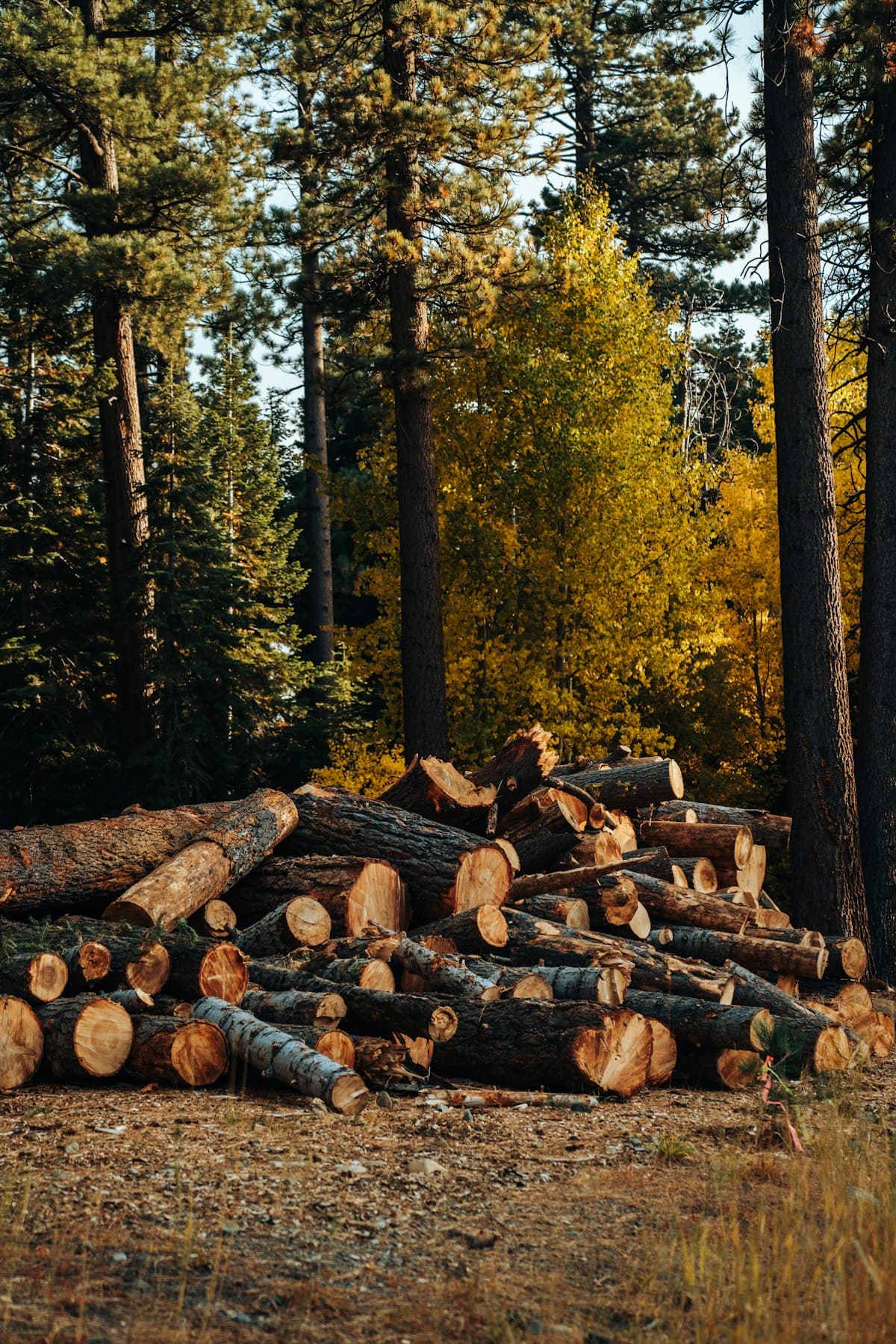
Operations Standard
Every ton sold with two confirmed market outlets.
Every harvest decision made at the stand level — not the spreadsheet level.
Operating Territory
North Florida &
Southeast Georgia
Jacksonville provides direct access to the most productive timberland markets in the Southeast — Northeast Florida’s sandy loam pine sites, North Central Florida’s mixed-age stands, and Southeast Georgia’s established forestry contractor and mill infrastructure.
Florida and Georgia together support more than 100,000 forestry-related jobs and represent two of the most active timberland transaction markets in the United States. Our territory covers the longleaf wiregrass flatwoods — one of the most ecologically significant and underinvested forest ecosystems in North America.
We concentrate initial acquisitions within practical haul range of multiple confirmed mill outlets. Buyer competition and haul distance are acquisition criteria — not afterthoughts.
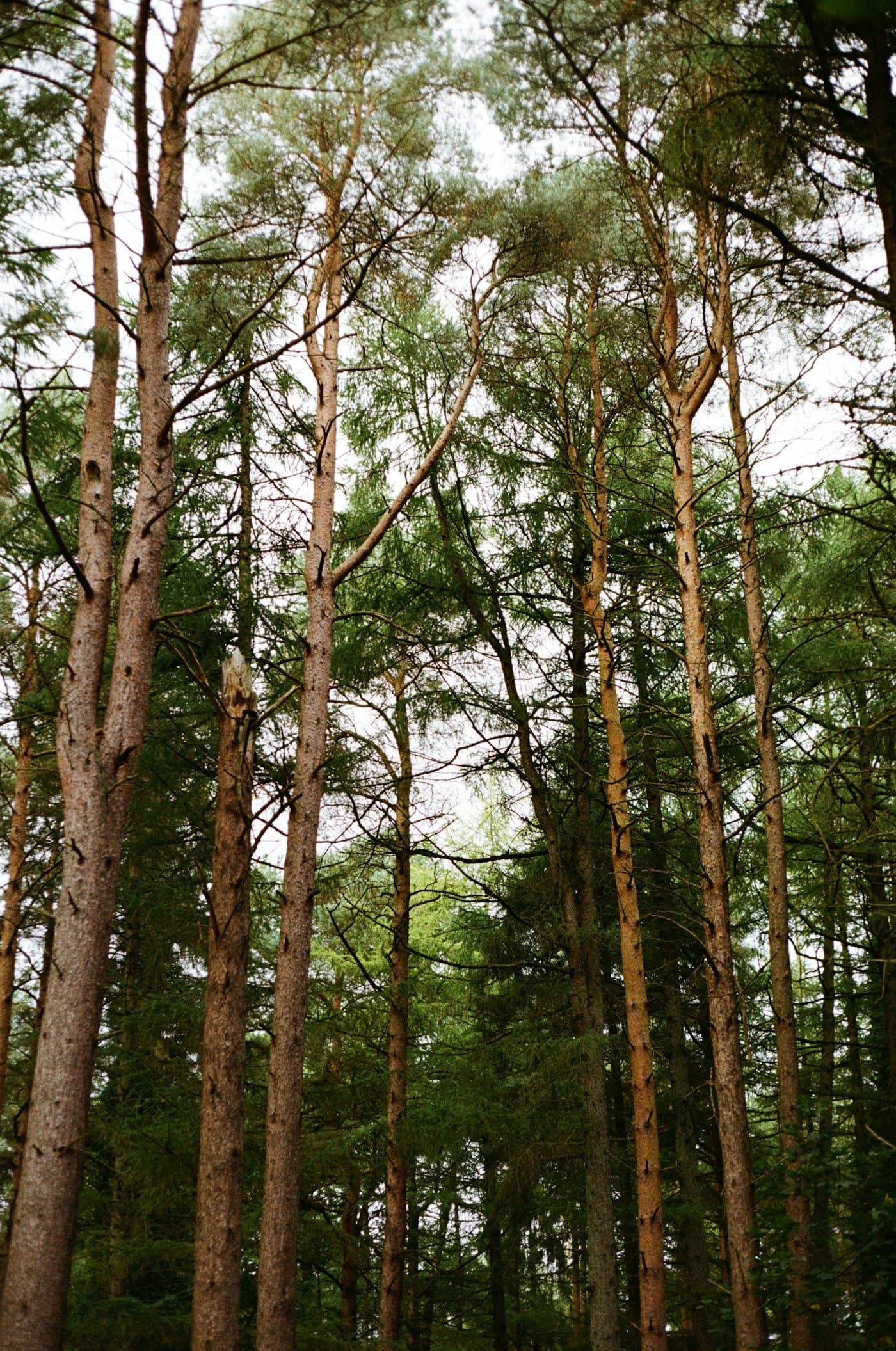
Species Strategy
20–25 yr rotation
Primary production species. Fast growth, broad site adaptability, strong pulpwood and sawtimber markets across North Florida and Georgia.
22–28 yr rotation
Well-suited to wet flatwoods sites. Strong resin content, productive sawtimber quality, and high pine-straw yield on appropriate sites.
40–60 yr rotation
Long-rotation resilience and stewardship allocation. Premium economics extend beyond a standard 25-year hold. Fire-adapted, carbon-eligible, and habitat-rich.
What We Do
Four Integrated Capabilities
Timberland Ownership
Direct acquisition of productive Southern timberland — loblolly, slash, and longleaf pine on sites selected for species fit, age-class balance, mill access, and road economics. Staged closings with independent timber cruise and parcel-level diligence before every transaction.
Silviculture & Inventory
Stand-level inventory, site preparation, planting, herbicide release, midrotation thinning and final harvest scheduling driven by basal area, live-crown ratio, site index, and current mill demand — not calendar age alone.
Competitive Timber Marketing
Qualified buyer sourcing, competitive bid process, contract preparation, mill qualification, ticket reconciliation, and closeout reporting. Every ton is sold with two credible outlets confirmed before harvest authorization.
Third-Party Forestry Services
Per-acre management, project fees, and timber-sale commissions for private landowners, estates, banks, developers, and conservation-oriented owners who need institutional execution without institutional minimums.
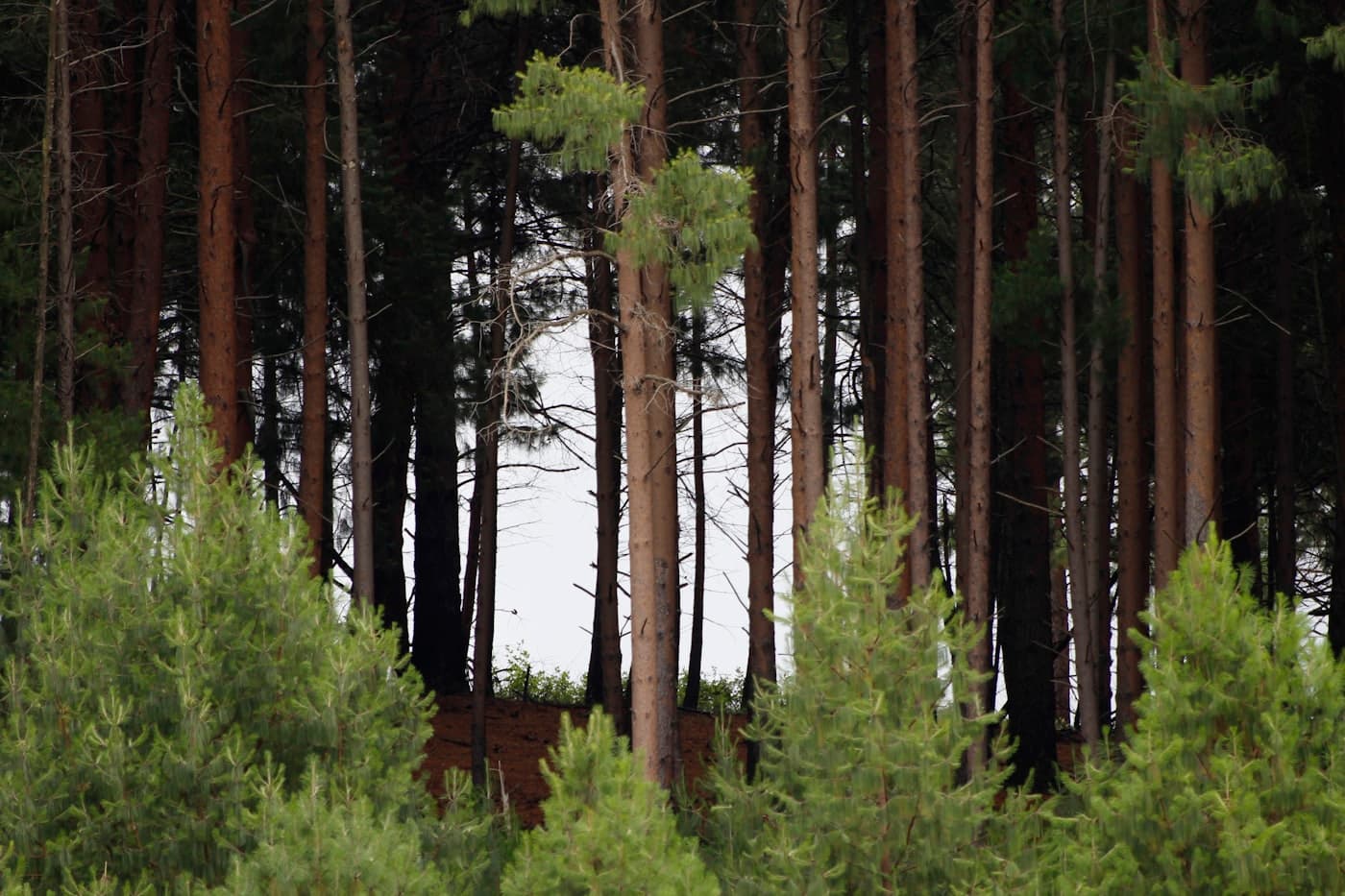
Stewardship is not a cost. It is a long-term performance driver.
How We Operate
Operating Principles
Patient Capital
Trees grow on their own schedule. Our investment horizon is 25 years, and our underwriting reflects that. We do not force premature harvests to meet short-term targets.
Real Asset Preservation
Standing timber continues to add volume and can shift into higher-value product classes while harvest is deferred within biological limits. The land itself compounds independently of daily pricing.
Mill Competition as Discipline
We will not acquire a tract unless each major product class has at least two credible market outlets. Mill access and haul distance are acquisition criteria, not afterthoughts.
Risk Transfer by Design
Logging and trucking are outsourced to qualified, insured contractors under written standards, insurance requirements, BMP compliance, and audit rights. We control prescriptions and contracts — not equipment.
Stewardship Standard
Longleaf pine restoration, prescribed fire management, streamside management zones, wildlife habitat improvements, and Florida Silviculture BMP enrollment on every tract. Stewardship is not a cost — it is a long-term performance driver.
No Debt in the Base Case
The base model assumes all-equity capitalization. Conservative reserve floors, staged acquisition pacing, and catastrophe protocols reduce the circumstances that force bad decisions under pressure.
Land Stewardship
How We Care for the Land
Responsible stewardship is not a regulatory checkbox. It is how productive timberland stays productive across generations — and how we access carbon, conservation, and biodiversity revenue streams that most portfolios never reach.
Longleaf Restoration
Active longleaf pine restoration on eligible sites using NRCS EQIP cost-share and USDA Longleaf Initiative programs. Longleaf wiregrass ecosystems support carbon credit registration, biodiversity co-benefits, and premium hunting lease values.
Prescribed Fire Management
Prescribed burning on longleaf and mixed-pine sites to maintain understory health, reduce wildfire risk, restore native wiregrass groundcover, and meet wildlife habitat objectives. Coordinated with certified burn managers and neighboring landowners.
Streamside Management Zones
Mandatory buffer maintenance along all perennial and intermittent streams under Florida Silviculture Best Management Practices. No harvest equipment or chemical application within designated SMZ widths — enforced on every tract.
Wildlife Habitat Improvements
Hardwood mast releases, wildlife openings, brush pile retention, snag management, and gopher tortoise burrow surveys integrated into stand management plans. Habitat quality directly supports hunting lease revenue.
Florida BMP Compliance
Full enrollment and documentation under the Florida Silviculture Best Management Practices program on every tract. BMP compliance is an acquisition requirement — not an afterthought — and is verified by third-party audit.
Carbon & Biodiversity Registry
Improved Forest Management projects registered under Verra VCS and American Carbon Registry protocols. Longleaf restoration sites qualified for Climate, Community & Biodiversity (CCB) co-benefit certification where eligible.
Scope & Boundaries
We Own the Land and the Standards.
We Don’t Own the Chainsaws.
What We Control
- — Acquisition underwriting
- — Silviculture prescriptions
- — Inventory and data
- — Bid process and contracts
- — Performance standards
- — Financial and investor reporting
What We Contract Out
- — Felling and skidding
- — Log trucking
- — Some reforestation labor
- — Excess prescription burning
- — Road repair and site prep
What We Will Not Do
- — Own a logging fleet at launch
- — Own log trucks
- — Build or buy a sawmill
- — Speculate on standing timber we cannot market
- — Deploy capital into tracts with single-buyer exposure
Why This, Why Us
Built by a Family.
Rooted in the Land.
Summers Forestry is not a fund. There is no management committee, no quarterly redemption window, no institutional minimum that exists because the economics require it. It is a family-owned forestry operation built on a 25-year conviction that productive Southern timberland, managed with professional discipline and held with genuine patience, is one of the most durable wealth vehicles available to private capital.
We operate out of Jacksonville. We know these markets, these contractors, and these mills by name. We were not brought into this region by a mandate — we are here because this is where we are from, and where we intend to stay.
The standard we apply to a client’s timber sale is the same standard we apply to our own. There is no separation between how we manage what we own and how we manage what you entrust to us. That alignment is not something we market. It is simply how we work.
Learn More About Summers Forestry
A private timberland platform built on patient capital, professional execution, and multigenerational stewardship.